
Permaculture: A Designer’s Manual ― Article Plan
Bill Mollison’s foundational text, Permaculture: A Designers Manual, details ecological design for sustainable agriculture. It covers zones, sectors, water, soil, and more,
inspiring a global movement.
Permaculture, a portmanteau of “permanent agriculture” and “permanent culture,” emerged in the 1970s in Australia through the collaborative work of David Holmgren and Bill Mollison. It’s more than just organic gardening; it’s a comprehensive design system for creating sustainable human settlements and agricultural systems modeled on natural ecosystems.
Bill Mollison (1929-2011) is widely considered the father of permaculture. His seminal work, Permaculture: A Designers Manual (1988), remains a cornerstone text for practitioners worldwide. This comprehensive manual details a practical and ethical framework for designing resilient and productive landscapes.
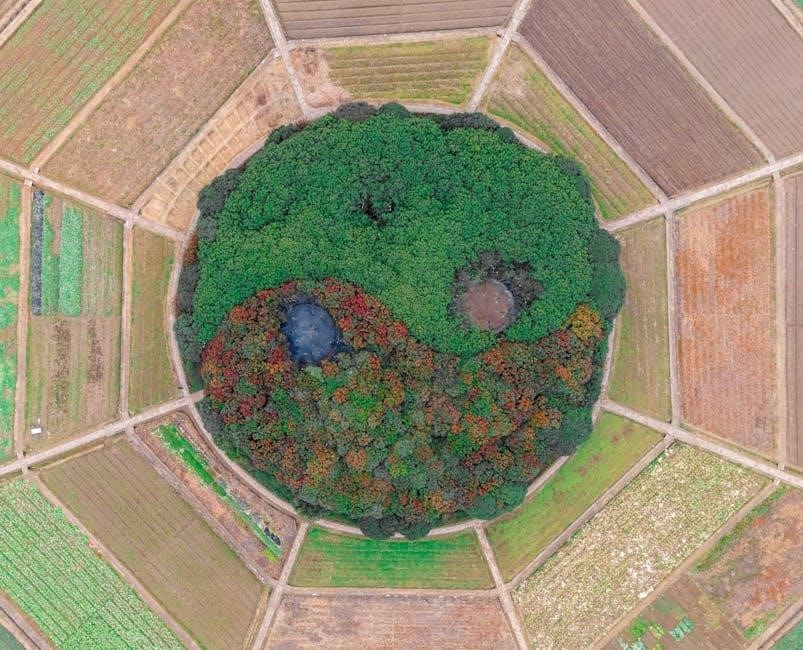
Mollison’s approach stemmed from observing patterns in nature and applying them to human systems. He advocated for working with nature, rather than against it, to create systems that are self-sustaining and require minimal external inputs. The manual itself is a detailed guide, covering everything from climate analysis and water management to animal integration and forest gardening. It’s a resource that continues to inspire and inform permaculture designers and enthusiasts globally, available in PDF format and through various courses.
The Core Principles of Permaculture Design
Permaculture design isn’t a rigid set of rules, but rather a flexible framework guided by core principles. Central to these is observing and interacting – deeply understanding the specific site before intervening. Catching and storing energy, obtained from sun, wind, and water, is crucial for system resilience.
Obtaining a yield ensures the system provides for human needs, while applying self-regulation and accepting feedback allows for continuous improvement. Using and valuing renewable resources and producing no waste are fundamental tenets, mirroring natural cycles.
Bill Mollison’s Permaculture: A Designers Manual emphasizes designing from patterns to details, recognizing that natural systems operate on interconnected patterns. Integrating rather than segregating elements creates synergistic relationships, and using small and slow solutions are often more effective and sustainable.
These principles, detailed within the manual, aren’t isolated concepts but work in concert. They guide designers in creating systems that are productive, resilient, and harmonious with the surrounding environment, fostering long-term sustainability and ecological health.
Ethics in Permaculture: Earth Care, People Care, Fair Share
Permaculture’s foundation rests upon three core ethics: Earth Care, People Care, and Fair Share. Earth Care acknowledges our responsibility to protect and regenerate the planet’s resources, recognizing that healthy ecosystems are vital for all life. This involves minimizing environmental impact and actively restoring degraded landscapes.
People Care emphasizes the importance of meeting human needs – food, shelter, education, and community – in a sustainable and equitable manner. It’s about creating systems that support the well-being of individuals and communities;
Fair Share, also known as Return of Surplus, advocates for responsible consumption and redistribution of resources. It encourages limiting reproduction and sharing excess yields to ensure equitable access for all. Bill Mollison’s Permaculture: A Designers Manual stresses these ethics aren’t merely guidelines, but fundamental principles guiding all design decisions.
These interconnected ethics ensure permaculture isn’t just about sustainable agriculture, but a holistic approach to creating a just and thriving world for present and future generations, fostering a harmonious relationship between humanity and nature.
Zone Planning: Organizing for Efficiency
Zone planning, a cornerstone of permaculture design detailed in Bill Mollison’s Permaculture: A Designers Manual, is a system for organizing elements within a landscape based on frequency of use and required intensity of management. It aims to minimize effort and maximize yields by strategically placing components.
Zone 0 represents the home – the center of activity. Zone 1, immediately surrounding the home, contains frequently visited elements like herb gardens and kitchen gardens. Zone 2 hosts elements needing moderate care, such as vegetable patches and small animal systems.
Zone 3 is for broader-scale agriculture, orchards, and grazing. Zone 4 is semi-wild, used for foraging and timber production with minimal intervention. Finally, Zone 5 is the wilderness area, left undisturbed for observation and biodiversity.
This zoning system isn’t rigid; it’s a flexible framework adapting to specific site conditions and needs. Effective zone planning reduces travel, conserves energy, and creates a more efficient and productive system, mirroring natural patterns.
Sector Analysis: Understanding Energy Flows
Sector analysis, as outlined in Bill Mollison’s Permaculture: A Designers Manual, is a crucial step in permaculture design, focusing on understanding and utilizing external energies impacting a site. It involves mapping the flows of energy – sunlight, wind, water, fire – and their potential benefits or drawbacks.
This analysis identifies sectors, or pie-shaped wedges radiating from the site, representing dominant energy influences. For example, a north-facing sector might receive limited sunlight, while a prevailing wind sector could offer opportunities for wind energy or create challenges like erosion.
By carefully observing these energy flows, designers can strategically position elements to harness beneficial energies (like solar gain for greenhouses) and mitigate harmful ones (using windbreaks to protect sensitive plants). Sector analysis also considers visual sectors, noise pollution, and animal pathways.
Ultimately, this process aims to work with natural forces, rather than against them, creating a resilient and productive system that minimizes external inputs and maximizes resource utilization.

Water Management in Permaculture Systems
Bill Mollison’s Permaculture: A Designers Manual emphasizes water as a key element in sustainable design. Permaculture prioritizes capturing, storing, and utilizing water on-site, minimizing reliance on external sources. This begins with careful observation of rainfall patterns and natural drainage.
Techniques include swales – on-contour ditches that slow and infiltrate water – and keyline design, which enhances water distribution across the landscape. Ponds and earth dams are used for storage, providing irrigation and habitat. Greywater systems recycle household water for non-potable uses.
Mollison advocates for slowing water down, spreading it out, and sinking it into the ground, replenishing groundwater reserves. Mulching and vegetation also play a vital role in reducing evaporation and increasing infiltration.
Effective water management isn’t just about quantity; it’s about quality too. Permaculture aims to create clean water systems that support healthy ecosystems and reduce the need for artificial fertilizers and pesticides.
Soil Health & Building Soil Fertility
Bill Mollison’s Permaculture: A Designers Manual positions healthy soil as the foundation of any productive system. Rather than relying on synthetic inputs, permaculture focuses on building soil fertility through natural processes, mimicking the complexity of a forest ecosystem.
Key techniques include composting, utilizing organic waste to create nutrient-rich humus. Cover cropping protects soil, suppresses weeds, and adds organic matter. Mulching conserves moisture, regulates temperature, and feeds soil organisms.
Mollison stresses the importance of minimizing soil disturbance through no-dig gardening and reducing erosion with contour planting. Green manures – plants grown specifically to improve soil – are also crucial.
Permaculture recognizes the vital role of mycorrhizal fungi, forming symbiotic relationships with plant roots to enhance nutrient uptake. Building soil isn’t just about adding nutrients; it’s about fostering a thriving soil food web, creating a living, breathing ecosystem beneath our feet.
Tree Crops & Forest Gardening
Bill Mollison’s Permaculture: A Designers Manual champions tree crops and forest gardening as highly productive and sustainable systems. Moving beyond annual agriculture, these systems mimic the structure and function of natural forests, creating resilient and diverse landscapes.
Forest gardens, or food forests, utilize seven layers – canopy, understory, shrub, herbaceous, groundcover, root, and vine – to maximize space and yield. Perennial trees and shrubs form the backbone, providing long-term food production with minimal maintenance.
Mollison emphasizes selecting trees for multiple functions: food (fruits, nuts), nitrogen fixation, animal fodder, and windbreaks. Companion planting amongst trees enhances growth and pest control.
Integrating animal systems within the forest garden further enhances fertility and productivity. Careful consideration of sunlight, water, and soil conditions is crucial for success. Forest gardening represents a shift towards long-term, ecologically sound food production, building resilient ecosystems that provide for human needs.
Animal Integration in Permaculture
Bill Mollison’s Permaculture: A Designers Manual highlights the crucial role of animals within permaculture systems, moving beyond viewing them solely as products. Animals are integral components, contributing to nutrient cycling, pest control, and overall ecosystem health.
Strategic animal placement maximizes their beneficial impacts. Chickens, for example, can control insect pests, fertilize gardens, and prepare seedbeds. Ducks excel at slug control in wet areas, while larger livestock like cattle or sheep can graze cover crops and manage pastureland.
Mollison stresses observing animal behavior to understand their needs and optimize their integration. Rotational grazing prevents overgrazing and promotes pasture regeneration. Animal manure provides valuable fertilizer, closing nutrient loops.

Careful consideration of animal welfare is paramount. Providing appropriate shelter, water, and forage ensures healthy, productive animals. Integrating animals thoughtfully enhances system resilience, reduces external inputs, and creates a more balanced and thriving permaculture landscape.
Earthworks: Shaping the Land for Sustainability
Bill Mollison’s Permaculture: A Designers Manual dedicates significant attention to earthworks, recognizing their power to reshape landscapes for increased sustainability and productivity. Earthworks aren’t about brute force, but rather working with natural contours and energy flows.
Key techniques include swales – on-contour ditches designed to capture rainwater and recharge groundwater – and keyline design, which uses a specific contour to direct water flow across the land. Terracing stabilizes slopes, prevents erosion, and creates level planting areas.
Mollison emphasizes careful observation of the land’s topography before undertaking any earthworks. Understanding slope, aspect, and existing drainage patterns is crucial for effective design. Minimizing disturbance and maximizing beneficial effects are core principles.
Earthworks can dramatically improve water infiltration, reduce runoff, and create microclimates favorable for plant growth. They are fundamental for building resilient systems, particularly in challenging landscapes. Thoughtful earthworks transform land from a liability into a productive asset.
Aquaculture & Water Harvesting Techniques
Bill Mollison’s Permaculture: A Designers Manual highlights water as a critical element, advocating for maximizing its capture and beneficial use through diverse techniques. Aquaculture, integrating aquatic organisms into the system, is presented as a highly productive strategy.
Water harvesting extends beyond simple rainwater collection. Techniques like ponds, dams, and greywater systems are detailed, emphasizing their role in creating resilient water supplies. Swales, discussed in earthworks, also contribute significantly to water infiltration and storage.
Aquaculture ranges from simple fish ponds integrated with vegetable gardens to more complex systems utilizing nutrient-rich water to fertilize crops. Mollison stresses the importance of polyculture – combining different species – to enhance system stability and productivity.
The manual details designing for optimal water flow, minimizing evaporation, and preventing pollution. Efficient water management isn’t just about quantity; it’s about quality and strategic distribution. These techniques are vital for thriving permaculture systems, especially in arid or semi-arid climates.
Permaculture Guilds: Companion Planting Strategies
Bill Mollison’s Permaculture: A Designers Manual deeply explores companion planting, moving beyond simple pairings to the concept of “guilds” – mutually beneficial plant and animal communities. Guilds mimic natural ecosystems, maximizing yields and minimizing inputs.
A guild typically centers around a key element, like a fruit tree, surrounded by supporting plants fulfilling various functions. These functions include nitrogen fixation (legumes), pest repellence (aromatics), attracting pollinators (flowering herbs), and ground cover (strawberries).
Mollison emphasizes observing natural plant associations to inform guild design. He advocates for layering – utilizing different heights and root depths – to maximize space and resource utilization. Guilds aren’t static; they evolve over time as plants mature and interact.
The manual provides numerous examples of successful guilds, tailored to different climates and needs. Understanding the ecological roles of each plant is crucial for creating a harmonious and productive system. Guilds represent a core principle of permaculture: working with nature, not against it.
Climate & Microclimate Design
Bill Mollison’s Permaculture: A Designers Manual dedicates significant attention to understanding climate and, crucially, manipulating microclimates. He stresses that permaculture isn’t about forcing systems onto a landscape, but rather working with existing climatic patterns.
The manual details methods for analyzing macroclimate – regional weather patterns – and identifying microclimates within a site. These microclimates, influenced by topography, vegetation, and structures, offer opportunities to create sheltered, warmer, or cooler zones.
Mollison advocates using elements like earth berms, windbreaks (trees and shrubs), and water bodies to moderate temperature extremes and protect plants. Sun traps, utilizing walls or slopes to capture solar energy, are also highlighted.
Understanding slope aspect (direction a slope faces) is vital, as it impacts sunlight exposure and temperature. Careful placement of plants and structures can maximize beneficial microclimates, extending growing seasons and increasing yields. The manual emphasizes observation and adaptation as key to successful microclimate design.
Succession & Long-Term System Development
Bill Mollison’s Permaculture: A Designers Manual places immense importance on understanding ecological succession – the predictable process of change in an ecosystem over time. He views permaculture design not as a static blueprint, but as initiating and guiding a successional pathway towards a stable, productive climax ecosystem.
The manual details how to accelerate natural succession by strategically introducing species that facilitate the development of desired ecological functions. Pioneer species, which thrive in disturbed environments, are used to build soil and create favorable conditions for later-successional plants.
Mollison emphasizes the concept of “stacking functions,” where each element in the system serves multiple purposes, contributing to overall stability and resilience. Long-term observation and adaptive management are crucial, as the system evolves and responds to changing conditions.
He advocates for designing systems that are self-maintaining and require minimal external inputs over time. This involves fostering beneficial relationships between species and creating closed-loop systems where waste products are recycled as resources, mirroring natural ecosystems.

Energy Efficiency & Renewable Resources
Bill Mollison’s Permaculture: A Designers Manual champions minimizing energy consumption and maximizing the use of renewable resources as fundamental principles. He advocates for designs that “catch and store” energy from various sources – sun, wind, water, and biomass – reducing reliance on external, often fossil fuel-based, inputs.
The manual details strategies for passive solar design in buildings, utilizing natural heating and cooling principles to reduce energy demands. It also explores techniques for harnessing wind energy for pumping water or generating electricity, and for capturing rainwater for irrigation and domestic use.
Mollison stresses the importance of local resource utilization, minimizing transportation costs and supporting regional self-reliance. Biomass, such as wood and agricultural residues, is presented as a valuable renewable energy source for heating, cooking, and generating biogas.
Furthermore, the manual promotes efficient use of human energy through thoughtful design and placement of elements within the landscape, reducing physical labor and maximizing productivity. The goal is to create systems that are energetically self-sufficient and contribute to a more sustainable lifestyle.
Natural Building & Sustainable Structures
Bill Mollison’s Permaculture: A Designers Manual emphasizes building structures that integrate harmoniously with the surrounding environment, utilizing locally sourced, natural materials. He advocates for minimizing the embodied energy in construction – the total energy required to extract, process, transport, and assemble building materials.
The manual explores a range of natural building techniques, including cob, straw bale construction, rammed earth, and timber framing, highlighting their thermal mass properties and ability to regulate indoor temperatures. Utilizing these methods reduces reliance on energy-intensive conventional building materials like concrete and steel.
Mollison stresses the importance of designing buildings that respond to local climate conditions, maximizing passive solar gain in colder climates and providing shade and ventilation in warmer regions. He also promotes the use of recycled and reclaimed materials, reducing waste and conserving resources.
The manual encourages integrating buildings into the landscape, utilizing earth sheltering and green roofs to further enhance their energy efficiency and aesthetic appeal. Ultimately, the goal is to create durable, comfortable, and ecologically responsible structures that support a sustainable lifestyle.
Waste Management & Resource Cycling
Bill Mollison’s Permaculture: A Designers Manual fundamentally reframes “waste” as a resource, advocating for closed-loop systems where outputs from one component become inputs for another. This principle is central to permaculture’s goal of creating self-sustaining ecosystems.
The manual details various techniques for managing organic waste, including composting, vermicomposting (using worms), and the creation of animal manure tea. These methods transform kitchen scraps, garden debris, and animal waste into valuable soil amendments, enriching soil fertility and reducing the need for synthetic fertilizers.

Mollison also addresses the management of greywater – wastewater from sinks, showers, and laundry – advocating for its filtration and reuse for irrigation. He explores humanure composting, a controversial but potentially valuable method for recycling human waste into a safe and effective fertilizer.
Beyond organic waste, the manual emphasizes reducing consumption, reusing materials, and repairing broken items to minimize overall waste generation. The aim is to mimic natural ecosystems where there is no true waste; everything is cycled and repurposed, creating a resilient and regenerative system.

Permaculture for Different Climates & Biomes
Bill Mollison’s Permaculture: A Designers Manual doesn’t present permaculture as a single, rigid system, but rather as a set of principles adaptable to diverse climates and biomes. The manual stresses the importance of observing local conditions – rainfall patterns, temperature fluctuations, soil types, and existing vegetation – before implementing any design.
Mollison dedicates significant space to analyzing various climate zones, from arid deserts to tropical rainforests, outlining specific strategies for each. He emphasizes the use of locally available resources and the integration of indigenous knowledge to create resilient systems tailored to the unique challenges and opportunities of each region.
The manual details techniques for water harvesting in drylands, soil building in degraded landscapes, and creating microclimates to extend growing seasons in colder regions. It also explores the use of appropriate plant species for each zone, prioritizing those that are drought-tolerant, pest-resistant, and beneficial to the ecosystem.
Ultimately, A Designers Manual empowers practitioners to apply permaculture principles creatively and effectively, regardless of their geographical location, fostering localized solutions for global sustainability.

Case Studies: Successful Permaculture Implementations
Bill Mollison’s Permaculture: A Designers Manual, while heavily theoretical, implicitly calls for practical application. Though not solely focused on case studies, the manual’s principles are demonstrably successful in numerous real-world implementations globally. These examples showcase the adaptability and effectiveness of permaculture design.
Numerous projects, inspired directly by Mollison’s work, demonstrate successful food production in challenging environments. Examples range from arid-land restoration projects in Africa utilizing swales and drought-resistant crops, to forest gardens established in temperate climates, mimicking natural ecosystems for increased yields.

Community-based initiatives detailed through permaculture networks highlight the social benefits – increased food security, economic empowerment, and strengthened community resilience. These projects often integrate diverse elements like animal systems, aquaculture, and natural building techniques.
While the manual doesn’t provide exhaustive documentation of every success, it equips designers with the tools to create their own. The widespread adoption of permaculture principles, evidenced by thriving projects worldwide, serves as a powerful testament to the manual’s enduring legacy and practical value.
Resources & Further Learning (Including Mollison’s Manual)
Bill Mollison’s Permaculture: A Designers Manual remains the cornerstone resource, offering a comprehensive foundation in permaculture principles. However, continuous learning is crucial. Numerous supplementary materials expand upon Mollison’s work.
David Holmgren’s Permaculture: Principles & Pathways Beyond Sustainability provides a complementary perspective, focusing on practical implementation and long-term system development. Online platforms like Permies.com offer forums, articles, and a wealth of community knowledge, often including discounts on the manual itself (using codes like PERMIES25OFFPDM).
Further exploration includes books by other influential designers, delving into specific aspects like natural building, water harvesting, and forest gardening. Online courses, workshops, and Permaculture Design Certificates (PDCs) provide hands-on experience and mentorship.
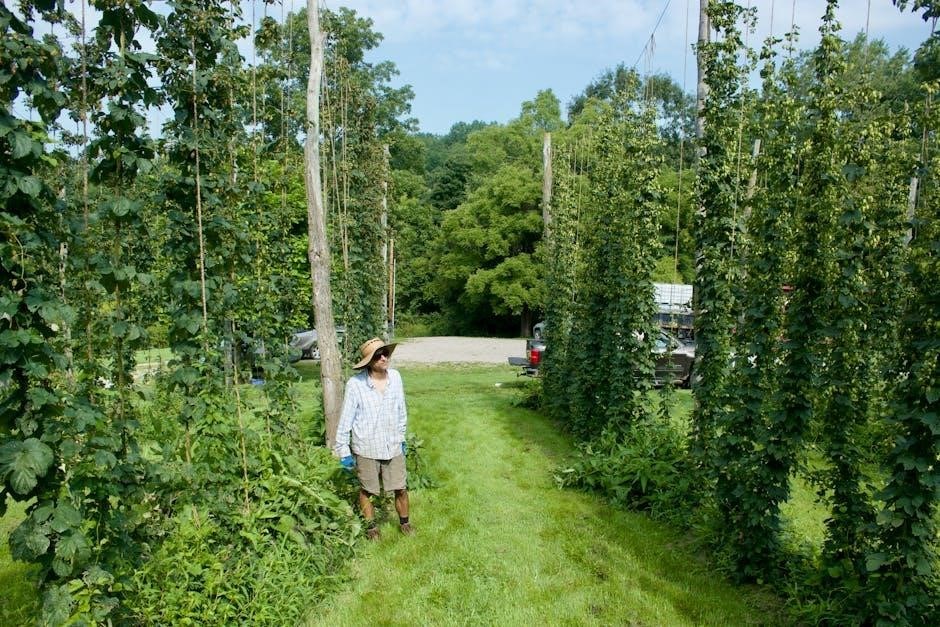
Libraries and online archives (like library.uniteddiversity.coop) offer access to older editions and related texts. Remember to critically evaluate information and prioritize practical application, building upon the solid base established by Mollison’s seminal manual.
Leave a Reply
You must be logged in to post a comment.