
Bhagyada Lakshmi Baramma is a beloved Carnatic composition, frequently performed and cherished. Online resources, including Gaana.com, offer lyrics in Kannada and English, with PDF versions available for devotional study.
Historical and Cultural Context
Bhagyada Lakshmi Baramma originates from a rich South Indian devotional tradition, deeply embedded within Karnataka’s cultural landscape. The song’s roots trace back to classical Carnatic music, a genre known for its intricate melodies and spiritual depth. It’s a composition traditionally dedicated to Goddess Lakshmi, the Hindu deity of wealth, prosperity, and fortune.
The song gained widespread recognition through the iconic rendition by M.S. Subbulakshmi, a celebrated Carnatic vocalist. Her performance elevated the song’s status, making it a staple in devotional gatherings and concerts. The availability of lyrics, including English translations and PDF versions, reflects a growing desire to access and understand this culturally significant piece. It continues to resonate with devotees seeking blessings and spiritual solace.
The Significance of Goddess Lakshmi
Goddess Lakshmi embodies auspiciousness, wealth, and prosperity in Hinduism, representing both material and spiritual abundance. Devotees invoke her blessings for success, well-being, and fortune. Bhagyada Lakshmi Baramma directly appeals to this benevolent deity, seeking her grace and presence. The lyrics, available in English translations and PDF formats, emphasize Lakshmi’s compassionate nature and her willingness to bestow blessings upon sincere devotees.
The song’s imagery – anklets, butter from buttermilk – symbolizes Lakshmi’s arrival and the resulting prosperity. Understanding her significance enhances the devotional experience, making the song more than just a musical piece; it’s a heartfelt prayer for divine intervention and a celebration of Lakshmi’s power.
MS Subbulakshmi and the Song
MS Subbulakshmi, a legendary Carnatic vocalist, is profoundly associated with Bhagyada Lakshmi Baramma. Her rendition elevated the song to iconic status, captivating audiences with her emotive delivery and impeccable artistry. Numerous recordings, including those from “M S S Radio Recitals Volume 4,” showcase her mastery.
The availability of lyrics in English, alongside Kannada versions and convenient PDF downloads, allows wider appreciation of her performance. Subbulakshmi’s interpretation imbues the lyrics with deep devotion, making the song a powerful expression of faith. Her legacy ensures Bhagyada Lakshmi Baramma continues to inspire generations.
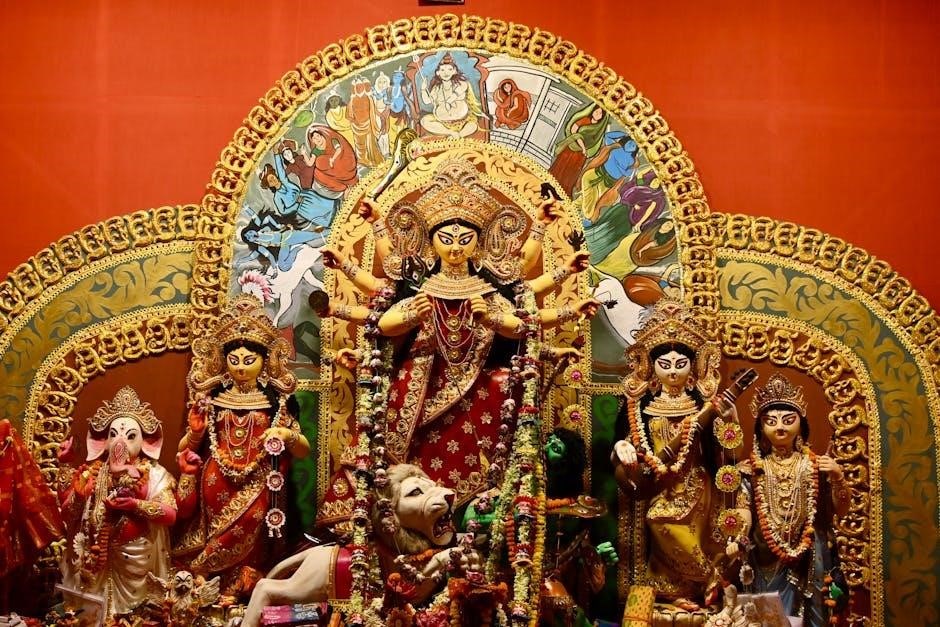
Lyrics Breakdown: Kannada Original
The Kannada lyrics of Bhagyada Lakshmi Baramma, readily available online and in PDF format, beautifully depict Lakshmi’s arrival and blessings, fostering deep devotion.
Pallavi: Core Meaning and Repetition
The pallavi, “bhAgyada lakShmI bArammA nammammA nI sau,” forms the song’s heart, repeatedly invoking Goddess Lakshmi. This central line, easily found in English translations and PDF lyric sheets, directly addresses the deity as a benevolent mother figure. The repetition emphasizes a heartfelt plea for her presence and blessings.
“BhAgyada lakShmI” signifies Lakshmi as the goddess of fortune, while “bArammA” is a respectful address, akin to “mother.” “nammamma nI sau” translates to “our mother, come slowly,” creating a welcoming and intimate tone. The consistent recurrence of this verse throughout the composition reinforces the devotee’s longing and unwavering faith, making it instantly recognizable and deeply resonant.
Anupallavi: Expanding on the Theme
The anupallavi builds upon the pallavi’s invocation, vividly describing Lakshmi’s graceful approach. English translations, often available in PDF format alongside the Kannada lyrics, reveal imagery of anklets and the sweet sound they produce. Lines like “hejjeya mele hejjeyanikkuta gejje kalgala dhvaniya toruta” depict her descending, accompanied by the jingling of anklets – a symbol of prosperity arriving.
This section expands the initial plea, portraying a welcoming atmosphere for the goddess. It’s a detailed observation of her divine presence, enhancing the devotional experience. The anupallavi prepares the listener for the narrative unfolding in the charanam, deepening the emotional connection.
Charanam: Detailed Narrative
The charanam of “Bhagyada Lakshmi Baramma” unfolds a detailed narrative, richly layered with symbolism. English translations, frequently found in PDF lyric sheets, illuminate verses describing Lakshmi amidst devotees. The imagery of butter emerging from churned buttermilk – “majjigeyolagina benneyante” – serves as a powerful metaphor for abundance and blessings.
This section portrays Lakshmi gracing the homes of the virtuous (“sajjana sadhu pujeya velege”), bestowing her favor upon those who offer devotion. The charanam expands the song’s scope, creating a vivid scene of worship and divine grace, solidifying the song’s devotional core;

English Translation: A Verse-by-Verse Analysis
Bhagyada Lakshmi Baramma’s English translations, often available as PDFs, reveal a heartfelt plea to Goddess Lakshmi, emphasizing fortune and divine grace.
Pallavi Translation: The Call to Lakshmi
The pallavi, “bhAgyada lakShmI bArammA nammammA nI sau,” translates to “Oh, Goddess of fortune, Lakshmi Baramma, our mother, do come slowly.” This initial verse serves as a welcoming invocation, a heartfelt call to the deity. PDF versions of the lyrics often highlight this core repetition. The plea isn’t for immediate granting of wishes, but a gentle request for Lakshmi’s presence.
The repetition emphasizes devotion and longing. “Nammamma” signifies a familial, loving relationship with the goddess, fostering intimacy. “Nī sau” – “do come” – is a humble invitation, acknowledging Lakshmi’s power and grace. It’s a foundational element, setting the tone for the entire composition, readily found in translated PDFs.
Anupallavi Translation: Describing Lakshmi’s Approach
The anupallavi elaborates on Lakshmi’s arrival, focusing on the auspicious sounds accompanying her. Phrases like “hejjeya mele hejjeyanikkuta gejje kalgala dhvaniya toruta” translate to “ascending the threshold, the sound of anklets is heard.” PDF lyric resources emphasize this imagery. The anklets symbolize prosperity and the joyful announcement of her presence.
This section paints a vivid picture of Lakshmi’s graceful approach, not as a sudden appearance, but a deliberate, melodious entrance. The sound of the anklets isn’t merely auditory; it’s a harbinger of good fortune. Translated PDFs often note the cultural significance of anklets as symbols of marital bliss and wealth, enriching the devotional experience.
Charanam Translation: Imagery and Devotion
The charanam delves into detailed narratives and profound devotion, illustrated through rich imagery. “Sajjana sadhu pujeya velege” signifies Lakshmi favoring the virtuous and pious. PDF lyric analyses highlight the metaphor of “majjigeyolagina benneyante,” translating to “butter emerging from churned buttermilk,” representing purity and abundance.
This imagery isn’t simply descriptive; it’s a symbolic representation of Lakshmi’s blessings manifesting through sincere devotion. Translated PDFs often explain how the butter symbolizes the reward for dedicated spiritual practice. The charanam evokes a scene of devotees gathering, anticipating Lakshmi’s grace, fostering a sense of communal worship and heartfelt surrender.
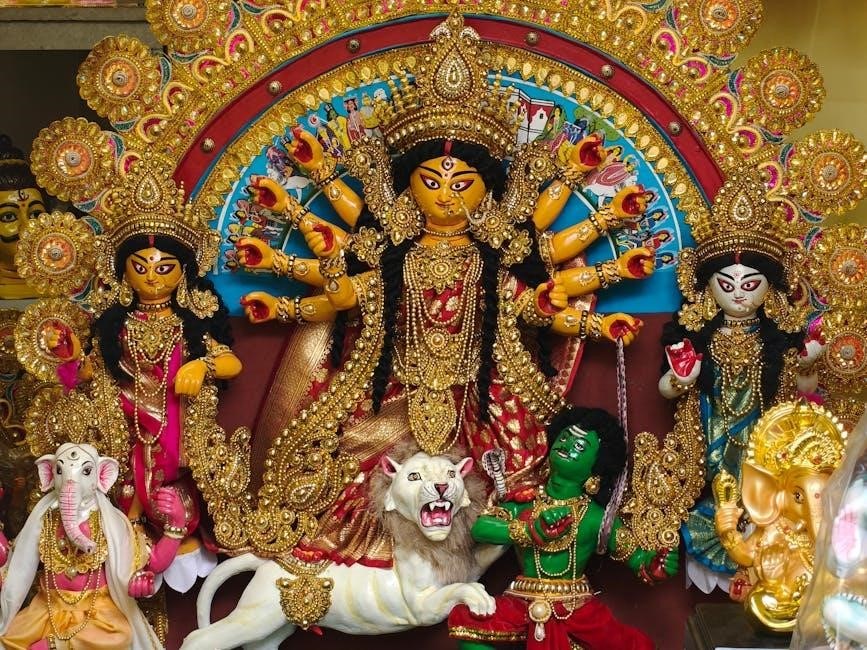
Exploring the Imagery in the Lyrics
Bhagyada Lakshmi Baramma’s lyrics are rich with symbolism, notably the sound of anklets and the buttermilk-to-butter metaphor, readily available in English PDF analyses.
Anklets and the Sound of Fortune
The imagery of anklets, specifically “gejje kalgala dhvaniya toruta,” is central to Bhagyada Lakshmi Baramma. This evocative line, easily found within English lyric PDFs, describes the auspicious sound of Lakshmi’s arrival. The jingling anklets aren’t merely auditory; they symbolize the approach of prosperity and good fortune.
This sound is considered incredibly sacred, signaling Lakshmi’s benevolent presence. Devotees interpret the rhythmic chime as a promise of blessings and a dispelling of negativity. The consistent emphasis on this auditory detail within the song and its translated lyrics underscores its importance in conveying Lakshmi’s grace and the anticipation of her blessings. It’s a powerful, culturally resonant image.
Butter from Buttermilk: A Metaphor
The metaphor of butter emerging from buttermilk – “majjigeyolagina benneyante” – is a key element in Bhagyada Lakshmi Baramma, readily accessible in English lyric PDFs. This isn’t a literal depiction, but a profound illustration of Lakshmi’s grace manifesting from humble beginnings. Just as churning buttermilk yields rich butter, devotion and sincere effort attract Lakshmi’s blessings.
The image suggests that fortune isn’t simply granted, but earned through spiritual practice. It highlights the transformative power of devotion, turning the ordinary into the extraordinary. This potent symbolism resonates deeply within the song’s devotional context, emphasizing that Lakshmi favors those who cultivate inner purity and faith.
The Gathering of Devotees
Bhagyada Lakshmi Baramma vividly portrays a welcoming scene – “sajjana sadhu pujeya velege” – a gathering of virtuous devotees, easily found within English lyric PDFs online. This imagery isn’t merely descriptive; it underscores the communal aspect of devotion. Lakshmi isn’t sought in isolation, but within a community of sincere seekers.
The lyrics suggest Lakshmi delights in the company of the righteous, creating a space of shared faith and reverence. This communal worship amplifies the devotional energy, fostering a stronger connection with the divine. The song implicitly encourages participation, inviting listeners to join this auspicious gathering and experience Lakshmi’s grace collectively.
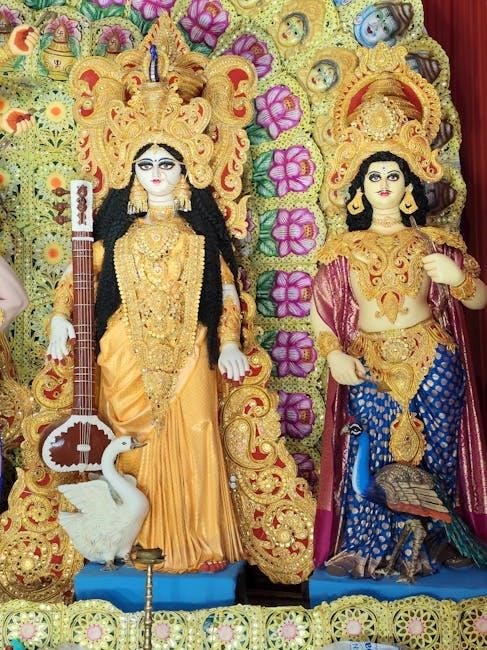
Musical Aspects of the Song
Bhagyada Lakshmi Baramma is rooted in Carnatic tradition, showcasing a beautiful raga and tala. Lyrics in English, often found in PDF format, complement the melodic structure.
Raga and Tala
Bhagyada Lakshmi Baramma is traditionally set in the Hamsadhwani raga, a popular and melodically pleasing choice within Carnatic music. This raga lends a bright and auspicious quality to the composition, perfectly suiting the devotional lyrics praising Goddess Lakshmi. The tala, or rhythmic cycle, is typically Adi tala, a common and versatile tala that allows for expressive phrasing and intricate rhythmic patterns.
Understanding the raga and tala enhances appreciation of the song’s structure. Many online resources, including those offering lyrics in English and PDF downloads, may also provide details about the specific raga and tala employed. This knowledge deepens the listener’s connection to the musical and spiritual essence of Bhagyada Lakshmi Baramma.
MS Subbulakshmi’s Rendition Style
MS Subbulakshmi’s rendition of Bhagyada Lakshmi Baramma is considered definitive, renowned for its emotive depth and technical brilliance. Her voice, characterized by its clarity and range, beautifully conveys the devotion inherent in the lyrics. She masterfully employs gamakas – ornaments that add nuance and expressiveness – enhancing the song’s emotional impact.
Subbulakshmi’s style emphasizes lyrical clarity and a profound connection to the deity. Numerous recordings, including those available through digital archives and potentially linked from sites offering lyrics in English or PDF format, showcase her artistry. Her interpretation remains a benchmark for aspiring Carnatic musicians and devotees alike.
Instrumentation and Arrangement
The traditional arrangement of Bhagyada Lakshmi Baramma typically features a core ensemble of Carnatic instruments. A mridangam provides the rhythmic foundation, complemented by the melodic support of a violin or veena. The tambura drones, creating a harmonic backdrop that enhances the song’s devotional atmosphere.
Subtle percussion elements, like the ghatam, may also be included, adding texture and complexity. Arrangements often prioritize vocal clarity, allowing MS Subbulakshmi’s voice – or that of other performers – to take center stage. Accessing lyrics in English or PDF versions doesn’t typically detail instrumentation, but recordings reveal this classic setup.
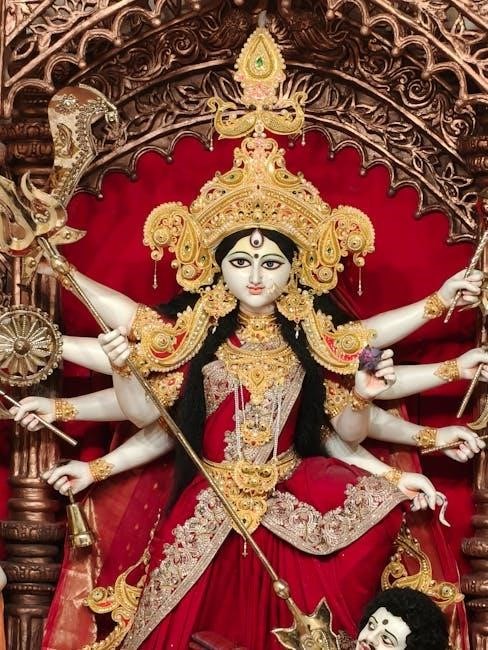
Availability of Lyrics and Resources
Bhagyada Lakshmi Baramma lyrics, including English translations, are readily available on platforms like Gaana.com, and often found as downloadable PDF files online.
Online Lyric Websites (Gaana, etc.)
Several websites provide convenient access to Bhagyada Lakshmi Baramma lyrics. Gaana.com is a prominent resource, offering both Kannada and English versions of the song’s verses. Users can easily find the lyrics alongside the audio, enhancing their devotional experience. Other platforms may also host the lyrics, though Gaana.com appears frequently cited as a reliable source.
Searching specifically for a “Bhagyada Lakshmi Baramma lyrics in English PDF” yields results pointing to various online archives and devotional websites. These PDFs often include transliteration, meaning, and sometimes even scholarly notes. While verifying the accuracy of sources is always recommended, these online resources greatly facilitate access to this beautiful composition for a wider audience.
PDF Versions and Digital Archives
Numerous digital archives and websites offer Bhagyada Lakshmi Baramma lyrics in PDF format, catering to devotees seeking a portable and easily accessible resource. These PDFs frequently present the Kannada lyrics alongside English translations, aiding comprehension and facilitating devotional practice. Searching online specifically for “Bhagyada Lakshmi Baramma lyrics in English PDF” reveals a range of options, from individual devotee-created documents to those hosted on larger Carnatic music websites.
These digital archives often include transliterations, helping those unfamiliar with the Kannada script. While verifying the source’s reliability is crucial, these PDFs provide a convenient way to study and internalize the song’s profound meaning and beautiful imagery.
Tamil and Other Language Versions
While originally composed in Kannada, the devotional appeal of Bhagyada Lakshmi Baramma has led to translations and renditions in various languages, including Tamil. Searching for “Bhagyada Lakshmi Baramma lyrics in Tamil” yields results showcasing the song’s widespread reverence. Though a direct PDF of an English translation alongside the Tamil version is less common, individual devotees often create and share such resources online.
The core essence of the hymn transcends linguistic boundaries, focusing on Goddess Lakshmi’s blessings. Finding versions in other Indian languages is also possible, demonstrating the song’s enduring popularity and devotional significance across diverse cultural landscapes.

The Song’s Place in Carnatic Music
Bhagyada Lakshmi Baramma holds a prominent position within Carnatic music, celebrated for its devotional depth and MS Subbulakshmi’s iconic rendition, readily available online.
Influence and Legacy
Bhagyada Lakshmi Baramma’s enduring influence stems from its beautiful melody and devotional lyrics, accessible through numerous online platforms offering translations and PDFs. MS Subbulakshmi’s rendition significantly popularized the composition, establishing it as a cornerstone of Carnatic vocal repertoire. The song’s accessibility, with English lyrics readily available on sites like Gaana.com, has broadened its reach beyond traditional audiences.
Its legacy continues through frequent performances and recordings, inspiring both established and emerging artists. The availability of lyric sheets, including PDF versions, facilitates learning and deeper engagement with the song’s spiritual message. This composition remains a testament to the power of devotional music and its ability to transcend linguistic barriers, fostering a sense of shared reverence.
Popularity and Recognition
Bhagyada Lakshmi Baramma enjoys widespread popularity within Carnatic music circles and beyond, largely due to MS Subbulakshmi’s iconic performance. The song’s accessibility is enhanced by the availability of lyrics in multiple languages, including English, often found on platforms like Gaana.com and in downloadable PDF formats. This broadens its appeal to a diverse audience seeking devotional music.
Its frequent inclusion in concert programs and radio broadcasts further solidifies its recognition. The ease of finding English translations and PDF lyric sheets contributes to its continued learning and appreciation. The composition’s devotional nature and melodic beauty resonate deeply, ensuring its enduring presence in the Carnatic music tradition and devotional practices.
Related Compositions
While Bhagyada Lakshmi Baramma stands distinctly, exploring other compositions dedicated to Goddess Lakshmi within the Carnatic repertoire reveals thematic connections. Many kritis (devotional songs) praise Lakshmi’s attributes of prosperity and auspiciousness. Searching online lyric databases, alongside PDF resources, can uncover similar devotional pieces.
Compositions by composers like Purandaradasa and Swati Tirunal often focus on Lakshmi, offering complementary devotional experiences. Exploring MS Subbulakshmi’s broader discography reveals other Lakshmi-centric songs she masterfully rendered. Finding English translations and PDF lyrics for these related works enriches understanding and appreciation of the broader devotional landscape surrounding this beloved song.

Devotional Practices Associated with the Song
Bhagyada Lakshmi Baramma is often incorporated into Lakshmi Puja rituals and festivals. Devotees use the lyrics, found in PDFs online, for focused prayer and meditation.
Rituals and Pujas
Bhagyada Lakshmi Baramma frequently features in Lakshmi Puja ceremonies, particularly those seeking blessings of prosperity and fortune. Devotees often recite the lyrics – readily available in English translations and PDF formats online – during the puja as a form of devotional offering. The song’s imagery of anklets and churning butter symbolizes auspiciousness and abundance.
Many individuals incorporate the song into their daily worship, using the lyrics as a focal point for meditation and prayer. The repetition of “Bhagyada Lakshmi Baramma” is believed to invoke the goddess’s presence and grace. Some communities perform specific rituals alongside the song, involving offerings of flowers, incense, and traditional sweets, enhancing the spiritual experience and deepening devotion.
Festivals and Celebrations
Bhagyada Lakshmi Baramma is prominently featured during Lakshmi Puja, a major festival honoring the goddess of wealth and prosperity. The song’s lyrics, easily accessible in English translations and PDF versions online, are often recited during these celebrations. It’s particularly popular during Diwali, the festival of lights, symbolizing the welcoming of Lakshmi into homes.
Furthermore, the song is frequently performed during annual temple festivals dedicated to Lakshmi, creating a vibrant and devotional atmosphere. Many cultural programs and Carnatic music concerts include renditions of this piece, especially those focused on devotional themes. The availability of lyrics in multiple formats encourages widespread participation and communal singing during these joyous occasions.
Personal Devotion and Prayer
Bhagyada Lakshmi Baramma deeply resonates with individual devotees seeking blessings of prosperity and well-being. The readily available English lyrics and PDF versions facilitate personal study and understanding of the song’s profound meaning. Many individuals incorporate it into their daily prayer routines, finding solace and spiritual upliftment through its melodic verses.
The song’s imagery of Lakshmi’s graceful arrival and the auspicious sounds of her anklets fosters a sense of divine presence. Devotees often use the lyrics as a mantra, repeating them with focused intention. Access to the lyrics empowers a more intimate and meaningful connection with the goddess, enhancing personal devotion and fostering inner peace.

Variations in Lyrics and Interpretations
Bhagyada Lakshmi Baramma exhibits regional lyrical differences, though core themes remain consistent. English translations and PDF versions aid comparative analysis of these variations.
Regional Differences
Bhagyada Lakshmi Baramma, while rooted in Kannada tradition, demonstrates subtle lyrical variations across different regions where Carnatic music flourishes. These differences, often minor, appear in both oral traditions and transcribed versions, including those found in PDF lyric sheets. Accessing multiple sources, like Gaana.com and digital archives, reveals these nuances.
The core devotional message remains constant, but phrasing and specific word choices can shift. These regional adaptations reflect local linguistic preferences and interpretations of the song’s imagery. Comparing English translations alongside the original Kannada text, available in PDF format, highlights these fascinating distinctions. Scholars and devotees alike benefit from exploring these variations, enriching their understanding of the song’s cultural impact.
Scholarly Analyses
Bhagyada Lakshmi Baramma has attracted scholarly attention for its poetic depth and devotional fervor. Analyses, often referencing lyrics available in PDF format, explore the song’s symbolism, particularly the imagery of anklets and the buttermilk metaphor. Researchers examine the interplay between bhagya (fortune) and bhakti (devotion), central themes within the composition.
Studies delve into MS Subbulakshmi’s influential rendition, linking it to broader Carnatic music traditions. English translations, alongside the original Kannada, facilitate comparative linguistic and cultural studies. These analyses, accessible through academic databases and online resources, illuminate the song’s enduring spiritual and artistic significance, offering deeper insights beyond simple lyrical comprehension.
Common Misconceptions
Despite widespread availability of Bhagyada Lakshmi Baramma lyrics in English and PDF formats, several misconceptions persist. Some interpret the “churning of buttermilk” imagery literally, overlooking its metaphorical representation of effort yielding prosperity. Others misattribute the song’s origin, incorrectly associating it solely with MS Subbulakshmi, neglecting its earlier compositional history.
A frequent misunderstanding involves the precise meaning of “baramma,” often simplified as merely “mother.” Scholarly analyses reveal a nuanced connotation of affectionate respect. Incorrect translations circulating online can further propagate these errors. Careful study of verified lyrics and contextual understanding are crucial to avoid these common misinterpretations.
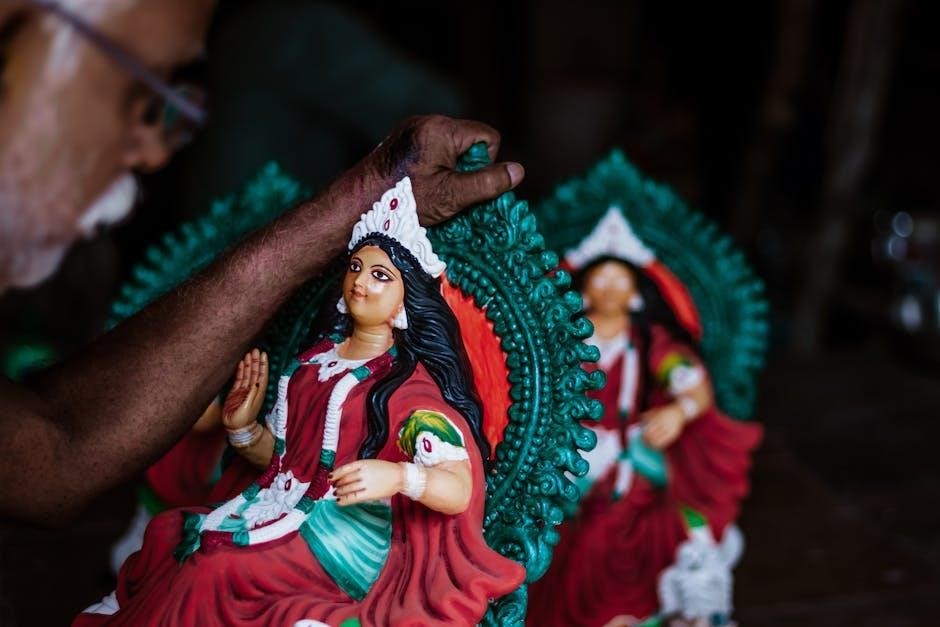
Bhagyada Lakshmi Baramma and Philosophical Concepts
Bhagyada Lakshmi Baramma embodies Lakshmi as Shakti, divine energy. Lyrics, accessible in English PDFs, explore bhagya (fortune) and the power of bhakti (devotion).
Lakshmi as Shakti
Bhagyada Lakshmi Baramma beautifully portrays Goddess Lakshmi not merely as a deity of wealth, but as Shakti – divine feminine power and energy. This concept is deeply rooted in Hindu philosophy, where Shakti is the dynamic force behind all creation and existence. The lyrics, readily available in English PDF formats online, emphasize Lakshmi’s active presence and benevolent influence.
Her arrival isn’t passive; it’s heralded by the sound of anklets, a vibrant symbol of her dynamic energy. This depiction moves beyond simply requesting prosperity, and instead acknowledges Lakshmi as a powerful force capable of bestowing blessings. Studying the English translations within these PDFs reveals a nuanced understanding of Lakshmi’s role as the empowering energy that fuels fortune and well-being.
The Concept of Bhagya (Fortune)
Bhagyada Lakshmi Baramma intricately explores the concept of Bhagya, often translated as fortune or destiny. The song doesn’t present fortune as random chance, but as a blessing bestowed by Goddess Lakshmi. English lyric PDFs readily available online highlight how Bhagya is intertwined with devotion and righteous conduct. The repeated invocation, “Bhagyada Lakshmi Baramma,” isn’t simply a plea for luck, but a recognition of Lakshmi’s role in shaping one’s destiny.
The imagery of butter emerging from churned buttermilk symbolizes the manifestation of fortune through effort and grace. Accessing these English translations through digital archives provides deeper insight into this nuanced understanding of Bhagya – a destiny earned through devotion and Lakshmi’s blessings.
The Role of Devotion (Bhakti)
Bhagyada Lakshmi Baramma profoundly emphasizes the power of Bhakti, or devotion, as the pathway to receiving Lakshmi’s grace. English lyric PDFs demonstrate how the song is structured as a heartfelt supplication, a direct appeal to the Goddess. The lyrics aren’t merely descriptive; they’re an expression of deep longing and surrender. Online resources like Gaana.com showcase the song’s devotional core.
The act of repeatedly calling upon Lakshmi – “Bhagyada Lakshmi Baramma” – embodies the essence of Bhakti. Digital archives reveal that the song’s impact lies in fostering a personal connection with the divine, illustrating devotion as the key to unlocking fortune and blessings.
Leave a Reply
You must be logged in to post a comment.