Stick Marsh & Headwaters Lake Fishing Guide: An Overview
Stick Marsh and Headwaters Lake offer exceptional bass fishing, particularly during seasonal forage pushes like the gizzard shad run. This guide details strategies for success!
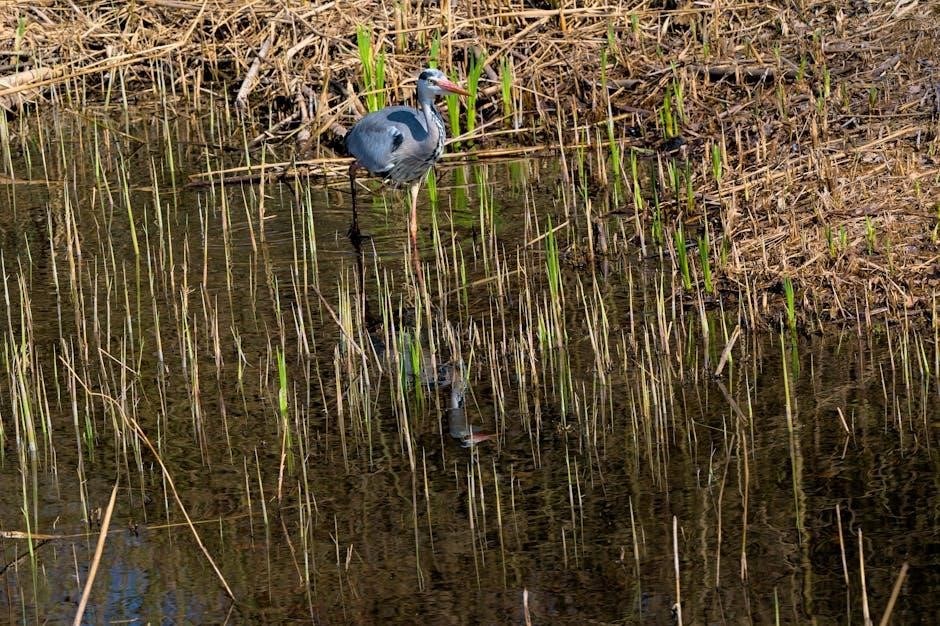
Stick Marsh and Headwaters Lake, located in Florida, represent a premier freshwater fishing destination, renowned for its trophy-sized largemouth bass. The Stick Marsh, a 6,500-acre impoundment, is a shallow, marshy environment created by the South Florida Water Management District. It’s famed for its dense vegetation and abundant forage, primarily gizzard shad, creating ideal conditions for bass growth.
Headwaters Lake, connected to the Stick Marsh, offers a slightly different experience with more open water and deeper structure. This combination provides anglers with diverse fishing opportunities, catering to various techniques and preferences. The fisheries have gained significant attention, attracting both seasoned professionals and recreational fishermen seeking an unforgettable angling adventure. Recent reports indicate the season is picking up, with consistent action observed even as of late 2025. Understanding the unique characteristics of each water body is crucial for maximizing your success.
Understanding the Stick Marsh Ecosystem
The Stick Marsh ecosystem is heavily influenced by its shallow depth and extensive vegetation – hydrilla, cattails, and lily pads dominate the landscape. This dense cover provides crucial refuge for bass and forage species, but also presents navigational challenges for anglers. Water levels fluctuate, impacting fish distribution and accessibility to different areas.
A key component is the prolific gizzard shad population. These baitfish school up, attracting bass and creating dynamic feeding scenarios, sometimes visible as large “balls” of shad and chasing predators. The marsh’s nutrient-rich waters support this robust food chain. Headwaters Lake, while connected, offers clearer water and more defined structure like submerged timber and drop-offs. Understanding these ecological nuances – the interplay between vegetation, water levels, and forage – is paramount to locating and catching fish consistently within this unique environment.
Target Species & Fishing Techniques
Largemouth bass are the primary target in both Stick Marsh and Headwaters Lake, demanding versatile techniques. Adapting to seasonal patterns and forage availability is crucial for success.
Largemouth Bass: The Primary Target
Largemouth bass dominate the fisheries of Stick Marsh and Headwaters Lake, attracting anglers seeking trophy-sized fish; The area’s unique ecosystem fosters exceptional growth rates, making it a premier destination. Understanding bass behavior is key; they actively pursue schools of baitfish, creating exciting visual fishing opportunities.
The sheer abundance of forage, particularly gizzard shad, fuels aggressive feeding habits. Expect explosive topwater strikes and powerful runs when targeting these bass. Successful anglers consistently observe and adapt to the bass’s movements, following the shad schools.
These bass aren’t shy about showing themselves, often pushing shad into visible balls near the surface. This creates incredible sight-fishing scenarios, allowing for precise lure presentations. The Stick Marsh, in particular, is renowned for these dynamic feeding frenzies, offering a truly unforgettable angling experience.
Seasonal Bass Fishing Patterns
Bass behavior in Stick Marsh and Headwaters Lake shifts dramatically with the seasons. Cold fronts trigger increased activity as bass corral shad, creating feeding windows. Early in the season, focus on shallow water warmed by sunlight, where bass stage to spawn. As temperatures rise, bass move deeper, seeking cooler refuge amongst submerged vegetation and structure.
Summer patterns involve early morning and late evening topwater action, with bass transitioning to deeper water during the heat of the day. Fall brings a resurgence of shallow water feeding as bass prepare for winter. The gizzard shad run intensifies, leading to explosive strikes and opportunities for large bass.
Winter fishing requires a slower approach, targeting deeper structure with jigs and slow-moving presentations. Understanding these seasonal transitions is crucial for consistently locating and catching bass throughout the year.
Gizzard Shad & Forage Base
Gizzard shad are the primary forage species in both Stick Marsh and Headwaters Lake, profoundly influencing bass behavior. These baitfish school in large numbers, creating dynamic feeding opportunities for largemouth bass. Observing shad activity – balls of shad near the surface or along weed lines – is a key indicator of where to focus your fishing efforts.
The shad population fluctuates seasonally, peaking during warmer months. Bass actively target shad, often pushing them into shallow areas for easier access. Understanding shad movements allows anglers to predict bass locations and intercept them during feeding frenzies.
Beyond shad, other forage includes bluegill and various minnow species, but shad dominate the food chain, dictating much of the bass’s diet and influencing their preferred hunting strategies.
Matching the Hatch: Baitfish Imitations
Successfully imitating gizzard shad is crucial for consistent bass catches in Stick Marsh and Headwaters Lake. Given shad’s prevalence, lures mimicking their size, shape, and movement are highly effective. Popular choices include swimbaits, crankbaits, and spinnerbaits in shad-pattern colors – silver, white, or translucent with a hint of green.
Swimbaits, particularly paddle-tail variations, closely resemble a swimming shad and can be fished at various depths. Crankbaits that dive to shad-holding depths are also productive. Spinnerbaits excel in murky water or around vegetation, creating flash and vibration that attract bass.

Pay attention to shad size; adjust your lure size accordingly. When bass are actively feeding on smaller shad, downsize your presentation. Experiment with retrieve speeds to match the natural movement of the forage base.
Effective Fishing Strategies
Dominant tactics include topwater presentations during low light, sight fishing for bass in shallow areas, and targeting deep structure within Headwaters Lake for consistent action.
Topwater Fishing in the Stick Marsh
The Stick Marsh truly shines when targeting largemouth bass with topwater lures, especially during periods of active forage like the gizzard shad pushes. The expansive, shallow nature of the marsh creates ideal conditions for explosive topwater strikes. Focus on areas where bass are actively herding baitfish – look for visible disturbances on the surface or scattered shad.
Effective lure choices include walking baits, poppers, and buzzbaits. Experiment with retrieve speeds and cadence to find what triggers the most aggressive bites. Early mornings and late evenings, when light is low, are prime times for topwater action. Don’t be afraid to fish around emergent vegetation, as bass often ambush prey from these areas. Be prepared for quick hooksets, as these strikes can be incredibly violent. Remember, matching the size and profile of the prevalent forage – gizzard shad – can significantly increase your success rate. The visual excitement of a topwater explosion is a hallmark of Stick Marsh fishing!
Shallow Water Sight Fishing
The clear, shallow waters of portions of the Stick Marsh and Headwaters Lake lend themselves exceptionally well to sight fishing for largemouth bass. Polarized sunglasses are absolutely essential for cutting through the glare and spotting fish cruising along weed lines, sandy bottoms, or near submerged structure. Patience and a stealthy approach are key to success.
When you spot a bass, carefully assess its direction of travel and position your cast to lead the fish slightly. Presenting a natural-looking bait, such as a soft plastic worm or swimbait, is crucial. Avoid making excessive noise or casting shadows over the fish. A slow, deliberate retrieve often elicits a strike. Be prepared for the fish to spook easily, so keep your movements minimal. Targeting larger, solitary bass is a common strategy. Sight fishing provides a thrilling, intimate connection with the fish and a rewarding sense of accomplishment.
Deep Structure Fishing in Headwaters Lake
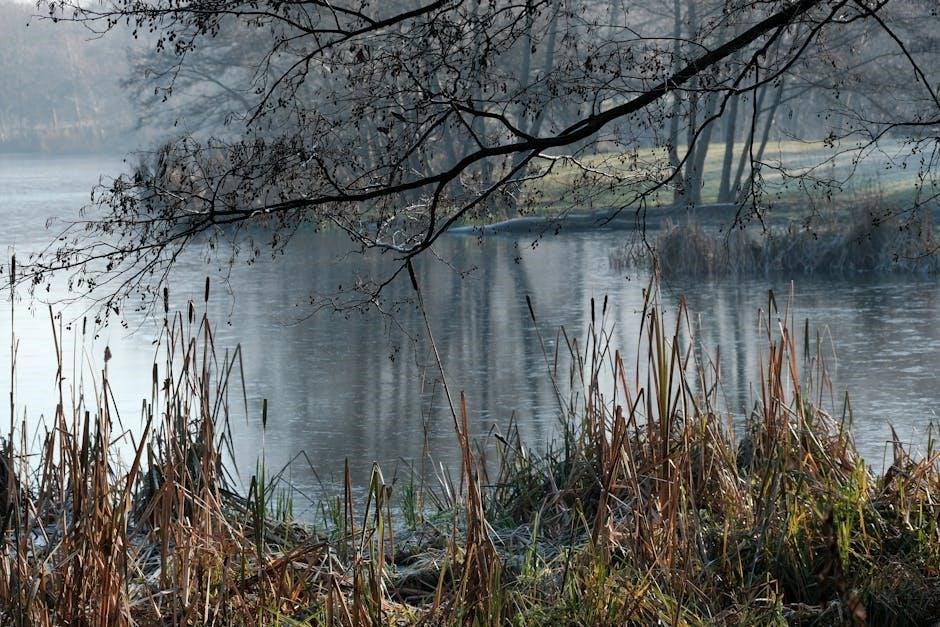
Headwaters Lake, unlike the shallow Stick Marsh, possesses deeper areas and more defined structure – ledges, drop-offs, and submerged timber – that hold bass throughout the year. Locating these areas using sonar or mapping apps is the first step. Focus on areas where changes in depth or structure create ambush points for bass targeting forage fish like gizzard shad.
Effective techniques include Carolina rigging, Texas rigging, and drop-shotting with soft plastics. Crankbaits and jigging spoons can also be productive when covering larger areas. Slow presentations are often necessary, especially during cooler months when bass are less active. Pay close attention to the bottom composition and adjust your bait and retrieve accordingly. Targeting these deeper structures provides a consistent bite, even when conditions are challenging in the shallower areas of the marsh.

Gear & Tackle Recommendations
Selecting the right gear is crucial for success. Medium-heavy power rods, fast action reels, and braided line are ideal for handling largemouth bass and heavy cover.
Rod & Reel Setups for Bass
For the demanding conditions of Stick Marsh and Headwaters Lake, a versatile rod and reel setup is paramount. Consider a 7’ to 7’6” medium-heavy power rod with a fast action graphite composite blank. This provides the sensitivity needed to detect subtle bites, coupled with the backbone to haul fish out of thick vegetation.
Reel selection should lean towards a high-quality baitcasting reel with a gear ratio between 6.3:1 and 7.1:1. This allows for quick line retrieval when working fast-moving lures, but also provides enough power for slower presentations. Ensure the reel has a smooth drag system capable of handling 10-12lb test braided line.
Braided line is highly recommended due to its low stretch and high strength. It excels at setting the hook through dense mats and provides excellent sensitivity; A fluorocarbon leader of 15-20lb test can be added for increased abrasion resistance and invisibility near the fish. Properly matched, this setup will give you the edge needed to land trophy bass.
Lure Selection for Different Conditions
Adapting your lure choice to the prevailing conditions is crucial for success in Stick Marsh and Headwaters Lake. When bass are actively feeding on shad, topwater lures like buzzbaits, frogs, and walking baits excel, especially during low-light periods. Mimic the frantic movement of fleeing baitfish to trigger explosive strikes.
For shallow water sight fishing, utilize soft plastics like Texas-rigged worms or creature baits, paired with a weighted hook. These allow for precise presentations to visible fish. When fishing around heavy cover, weedless jigs and spinnerbaits are effective at penetrating vegetation.
In deeper structure, transition to crankbaits, Carolina rigs, or drop-shot rigs. These lures allow you to target bass holding on bottom or along ledges. Matching the size and color of your lure to the prevalent shad size is always a smart strategy, maximizing your chances of a bite.
Regulations & Conservation
Always check current Florida Fish and Wildlife Conservation Commission (FWC) regulations regarding licenses, size limits, and bag limits before fishing Stick Marsh or Headwaters Lake.
Florida Fishing Licenses & Permits
Before embarking on a fishing adventure at Stick Marsh or Headwaters Lake, ensuring you possess the appropriate Florida fishing license is paramount. The Florida Fish and Wildlife Conservation Commission (FWC) offers various license options to cater to diverse fishing scenarios and residency statuses.
Non-residents typically require a short-term or annual license, while Florida residents have different options based on their needs. Licenses can be conveniently purchased online through the FWC website, at local county tax collector’s offices, or at authorized retail vendors selling fishing supplies.
Furthermore, if you plan to harvest snook or other species with specific regulations, additional permits might be necessary. It’s crucial to review the FWC’s website for the most up-to-date information regarding license requirements, saltwater endorsements, and any potential rule changes. Compliance with these regulations is vital for responsible fishing and conservation efforts within these valuable ecosystems.
Responsible Fishing Practices
Preserving the health of Stick Marsh and Headwaters Lake requires a commitment to responsible fishing practices. Practice catch and release whenever possible, especially with larger breeding-age fish, to sustain healthy populations. Utilize barbless hooks to minimize harm to fish during release, and handle fish with wet hands to protect their protective slime coating.
Properly dispose of all fishing line, lures, and other trash to prevent pollution and entanglement hazards for wildlife. Avoid disturbing vegetation along the shoreline, as it provides crucial habitat for fish and other aquatic creatures. Be mindful of your impact on the ecosystem and respect the natural environment.
Adhering to size and bag limits established by the FWC is essential for maintaining sustainable fisheries. Support conservation efforts by reporting any observed violations or concerns to the FWC. By embracing these practices, we can ensure these exceptional fisheries remain thriving for generations to come.
Leave a Reply
You must be logged in to post a comment.